
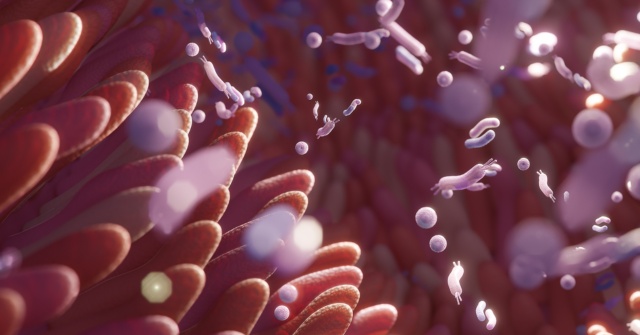
What is the gut microbiome?
The gut microbiome refers to the ecosystem comprised of trillions of microbes and their metabolites that inhabit the large intestine (and sometimes parts of the small intestine too). Whereas the term “gut microbiota” refers to the microorganisms only (ie. Opportunistic, pathogenic and beneficial bacteria, viruses, fungi, methanogens, parasites/protozoa and helminths), the term “gut microbiome” also incorporates various metabolic byproducts of these microbes, such as beneficial short chain fatty acids like butyrate and acetate, and more harmful waste products like bacterial endotoxin, or gases like methane and hydrogen. Weighing 1-2kg, the gut microbiome is almost an organ unto itself, even to the point of facilitating more biological processes than the liver! One common thread seen in gut microbiome research is that diversity of species is an established marker for a “healthy gut microbiome”, due to the protective effects of having a wide spread of organisms in terms of antibiotic use. Additionally, having a rich bacterial diversity index means an abundance of species that can help bolster our immunity, protect against disease, reduce inflammation, reduce food sensitivities, strengthen the gut barrier, support our energy and mood and help us digest and absorb nutrients.
Why gut bacteria balance matters
Broadly speaking, good bacteria are species like Lactobacilli, Bifidobacteria, Faecalibacterium prausnitzii or Akkermansia municiphila which have documented beneficial and protective effects for the host. Having a good gut bacteria balance of these species contributes to regular gut motility (helping keep your bowels regular), reduced inflammation (not just in the gut, in the body too) and even influence your blood glucose, metabolism and body fat. When this gut bacteria balance is compromised, we see a state termed “dysbiosis”. This means that “bad” bacteria or microbes have been able to colonise the intestinal lining, potentially leading to increased inflammation and endotoxin production, increased intestinal permeability (aka leaky gut), reduced digestion or gut motility (IBS-C and -D as well as SIBO) due to gas byproducts, low energy, poor mood and even increased risk of skin manifestations.
Gut health and the immune system
Hippocrates believed that “all disease begins in the gut” and modern research suggests as much as 90% of our immunity is in the gut. Gut health and the immune system are inextricably linked. The connection starts even earlier than the intestines, in the stomach. Having robust acidity in the stomach is one of our important defences against carriage of pathogens. Some bacterial species help up regulate our natural production of antibodies like secretory IgA, which attaches to and helps clear pathogens and yeasts like Candida albicans. Bifidobacteria are crucial, especially in early life, to development of immune tolerance, reducing incidence of allergies and auto-immunity through various mechanisms.
Signs your gut microbiome may be out of balance
Tell-tale signs of dysbiosis in the gut microbiome include chronic gastrointestinal symptoms like bloating after meals, constipation, diarrhoea, abdominal hypersensitivity, urgent bowel movements, smelly flatulence, multiple food intolerances, low immunity and fatigue. While these can be signs of an imbalanced gut microbiome, they can also indicate other health conditions. Always speak to a health professional about your personal health concerns as this content is for educational purposes and does not constitute medical advice or diagnosis.
Understanding your gut with testing
There is simply no better way to understand your gut microbiome than with DNA based comprehensive testing. Different samples will tell you different things. For example, you need a stool test to tell you about your gut microbiome, whereas only a blood test can identify your food sensitivities. Many people want to know both, so they can adjust their diet and repair their gut microbiome at the same time. That’s why we curated the Gut Health Package. You will receive easy to read results as well as personal recommendation from our qualified in-house naturopath and experienced microbiome practitioner. Rather than receiving blanket advice, you will find out the precise foods to avoid and include in your diet as well as an optional 3 month online product prescription based on your results to restore your gut. For even more guidance, you can book in an online health consultation at a time that suits you.
Practical ways to support a healthy gut microbiome
Some basics to keep your gut microbiome humming include eating a diverse plant-rich diet naturally rich in prebiotic fibre, polyphenols, resistant starch and omega 3 healthy fats. For example, polyphenols are abundant in fruit and veg that are blue, red, purple or black (think pomegranate, red grapes, blueberries), olive oil and dark cacao, while resistant starch can be found in root vegetables that have been cooked then cooled (the good old cold potato salad). Omega 3s are abundant in SMASH fish (Sardines, Mackerel, Anchovies, Salmon and Herring).
While this Mediterranean style approach is generally suited to most people, speak with a qualified health professional is advised before making major changes to your diet.
When to seek personalised advice
Those with long term health conditions or complicated medical history are advised to seek personalised health advice and professional support.
Often, more than one function lab test is required to address complex or multifaceted health concerns. In this case, please don’t hesitate to contact our team to help make an informed decision. Or you might like to check out some of our other articles about gut health, histamine intolerance and chronic symptoms.
About the author: Hannah Ashby BHSc (Naturopathy), BPsychSc
Hannah is passionate about health, food and caring for the human microbiome. In 6 years of clinical work as a naturopath she has analysed thousands of microbiome and functional digestive tests. She has featured in recent publications on Body & Soul and the 2025 UNSW microbiology symposium. She loves to provide treatments that are evidence based, using the power of the microbiome so you can feel your best.